Rocinha’s Porta do Céu was, for years, just a laje with a good view. Now it’s one of the most shared backdrops in Rio: drone footage of that rooftop, the ocean, and Dois Irmãos behind it has been circulating so widely on Instagram and TikTok that The Telegraph and The Guardian both ran features on the tourism boom it’s driving. A view that outsiders spent decades filing under “no-go zone” is now a postcard. That’s what’s possible when a favela gets pointed at with a camera instead of a warning label.
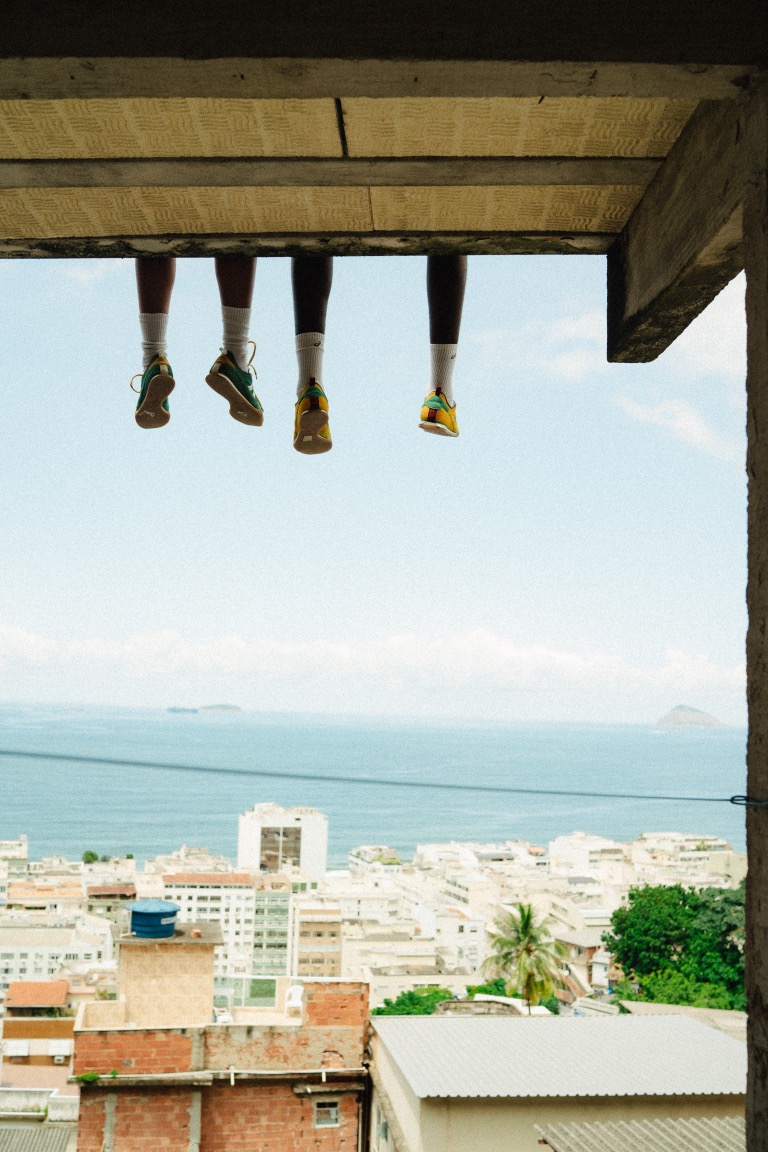
It’s exactly why brands also keep showing up. Funk, the color of the streets, the light, the beauty of the people who live there, none of it can be faked on a studio backdrop, and everyone wants to have shot there. Rabanne’s 2025 “Sunset to Sunrise” campaign, filmed in Rocinha to a funk carioca soundtrack, is proof of the appetite: millions of views, global press, favela funk in front of a luxury audience that had spent decades looking past it.
That part isn’t the problem. Visibility, done well, is exactly what these communities want and deserve, and it’s amazing when it happens.
What happened next with that campaign is worth being precise about, because the backlash wasn’t really about the fact that Rabanne shot there. It was about who got left out once the cameras rolled. As some journalists mentioned, the credited creative team was, by most accounts, entirely foreign and white but for a single Brazilian name. No favela-based model, stylist, or local producer was billed alongside them. Commentators pointed out that a R$549 perfume bottle was being sold on the back of a neighborhood most of its buyers will never visit, with nothing routed back to it. One Rio culture researcher, reacting to the campaign, put it well: the issue isn’t a brand borrowing a “batidão,” it’s an industry profiting from symbols born in territories of exclusion without the people who created those symbols participating, deciding, or earning from them.
That’s not an argument against shooting in the favela. It’s a checklist of what was actually missing: local people on both sides of the camera, real credit, and money that reaches the community instead of stopping at the agency invoice.
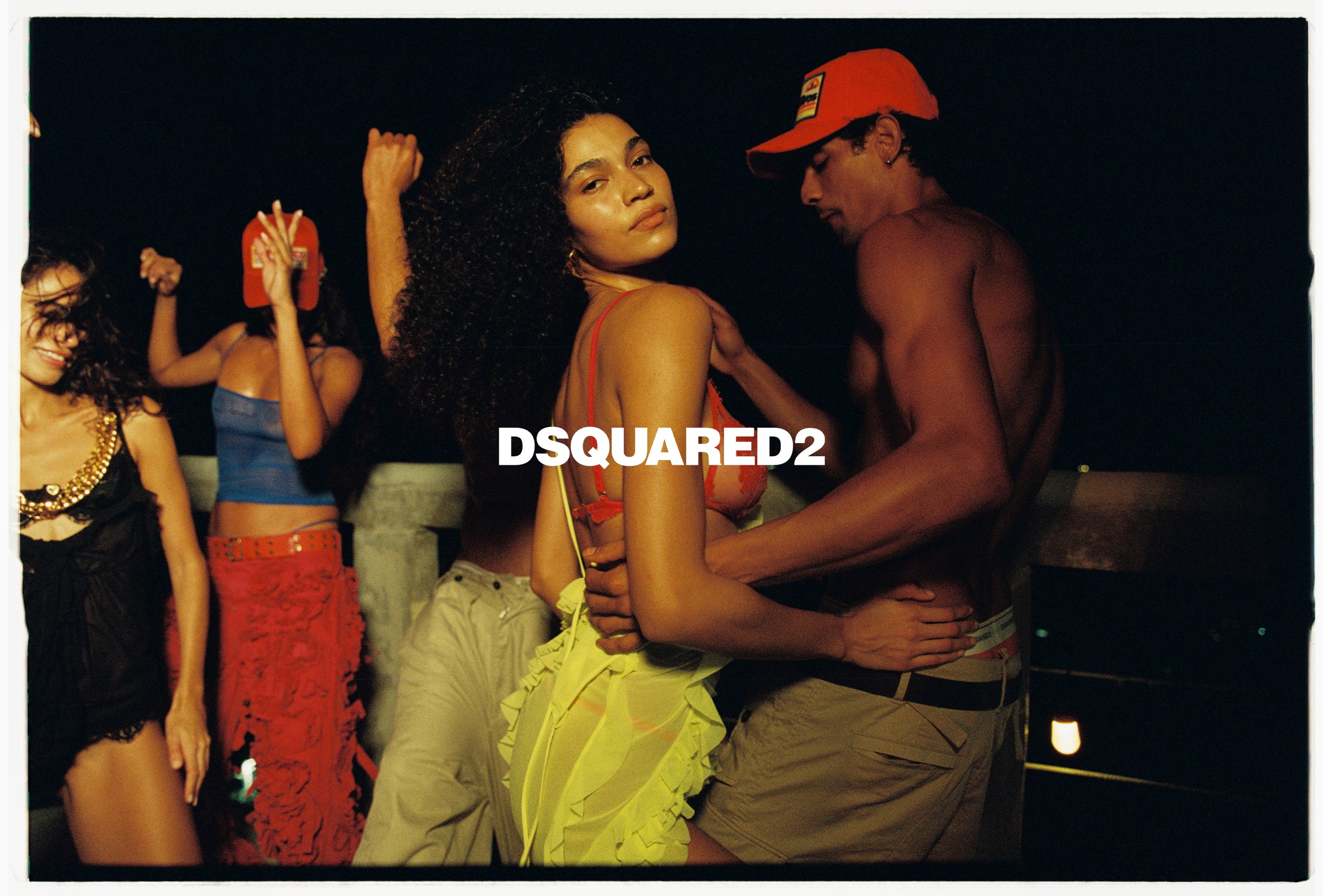
We built Babilônia around closing that gap, not avoiding the shoot.
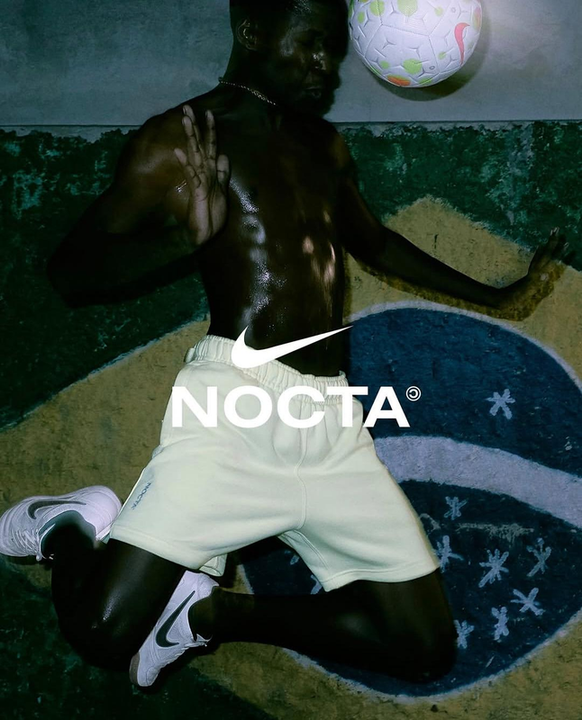
Our founder, Fabio Ventura, is from Babilônia, a favela in Rio’s Zona Sul, and he’s a community leader first, which means every production starts with him managing expectations on both sides: what a brand can realistically ask for, and what the community is comfortable giving. On our Azzaro and Nike campaigns, that approach generated more than 50 local jobs, models, crew, fixers, drivers, caterers, not as a favor, but as the baseline. Local kids seeing themselves credited, not just cast, is a real source of pride, and it should be normal, not exceptional.
There’s a bigger question here too. If a global brand is going to build a campaign, and a price tag, on the aesthetic of a community, it could be putting a percentage of what that campaign earns back into it: local NGOs, schools, or cultural projects. We don’t consider this charity, but the decency of doing business in someone else’s home.
It’s also why Babilônia runs its own social fund alongside every production, with which we help local artists, projects, and education, so the responsibility doesn’t depend on any one brand remembering to be generous.
Rocinha is already the view everyone wants. Rio’s favelas are already the culture every brand wants to borrow. None of that is going to stop, and it shouldn’t.
The only real question left is whether the people who made that culture get hired, credited, and paid for it, or just filmed.
Sources: